Entry · Ref BG3_HZWB
Bpc-157 Peptide Treatment
- Posted
- 2026-10-13
- Last amended
- 2026-10-13
- Account
- @judahhltj323
Columbia Undergraduate Scientific Research Journal Additional clinical trials are needed to completely recognize its safety, efficacy, and optimum application in human beings. BPC-157 is a synthetic, gastric-derived pentadecapeptide experimentally investigated for its capability to speed up soft cells repair work and promote new blood vessel formation. Pharmacokinetic evaluations are essential and crucial for the growth of new medicines. To convert BPC157 right into the clinic, we previously carried out preclinical safety and security research studies and discovered that BPC157 was well tolerated and did not demonstrate major poisoning (Xu et al., 2020). Experiments were carried out to define the pharmacokinetics, absorption, distribution, metabolic rate, and discharging features of BPC157 in rats and canines. BPC-157 communicates with the body's development aspects to promote angiogenesis-- the formation of new blood vessels-- and accelerate recovery in muscles, joints, tendons, and also the gastrointestinal tract. Unlike many pharmaceuticals, BPC-157 has actually revealed reduced toxicity and high tissue selectivity, implying it can target damaged areas without disrupting healthy and balanced systems. [A] ll researches investigating BPC 157 have demonstrated regularly positive and timely healing impacts for various injury kinds, both traumatic and systemic and for a wide variety of soft cells. Nevertheless, to day, most of researches have been performed on small rodent versions and the efficiency of BPC 157 is yet to be verified in people (2 ). Early animal studies suggested feasible duties in wound healing and gut protection. Among the factors BPC-157 has stood out is its possible to support new members vessel development during cells repair service. In animal research studies, it appears to influence pathways connected to VEGF, a vital signal involved in recovery [10], [11] Its sequence represents a fragment of a bigger protein originally identified in human gastric juice [2] It is produced by solid-phase synthesis, typically as a research study chemical. While the research study on BPC-157 is appealing, it is essential to keep in mind that a lot of studies have been conducted in animal models or artificial insemination setups. Pee and fecal samples were collected from each rat at 0-- 8, 8-- 24, 24-- 48, and 48-- 72 h. Male SD rats were administered a solitary IM injection of empty solvent (excipient), and organic samples, consisting of whole blood, plasma, urine, feces, and cells, were gathered for history control. The radioactivity of the plasma, tissue, bile, urinary system, and fecal examples was evaluated making use of a liquid scintillation counter. An overall of 324 SD rats were arbitrarily split into 5 teams, including 66 rats in group one, 60 rats each in groups two to four, https://zionoccj600.inkharbory.com/posts/injectable-peptide-treatment-a-primer-for-orthopaedic-and-sporting-activities-medication-physicians and 78 rats in group five, with each group consisting of half man and half women subjects. Team one was administered 20 μg/ kg BPC157 saline service intravenously. After repeated IM administration of BPC157 at 30 μg/ kg for seven consecutive days, the plasma concentration versus time curve resembled that observed after a single IM shot of 30 μg/ kg (Figure 2C). However, the pharmacokinetic parameters after repeated IM administration changed a little compared to those observed after a solitary IM injection, with a little decrease in Cmax and t1/2 and a rise in Tmax. The location under the curve (AUC) values did not change dramatically (Table 6). The abovementioned results showed that BPC157 reached its height rapidly in beagle canines and was swiftly eliminated after reaching its peak. The prototype medicine can not be spotted 4 h after management, and its elimination half-life was less than 30 minutes. BPC157 showed linear pharmacokinetic qualities in beagle pet dogs at the experimental dosage.
- In all animal groups, BPC 157 revealed efficacy in attenuating stomach sores and reversing innovative sores similarly to propranolol and ranitidine made use of as controls.
- A thorough medical examination by a RegenesisMD carrier is called for to figure out if this therapy is suitable for your details health and wellness demands and objectives.
- The scientific dosage of 200 µg/ person/day of BPC157 was transformed to 20 μg/ kg for rats and 6 μg/ kg for pet dogs.
Basic Bpc 157 Dosage Considerations
Does BPC-157 aid joint inflammation pain?
A peer-reviewed short article (Lee et al., Alternate Treatments in Health & & Medication, ~ 2021) explains: 12 individuals with persistent knee discomfort. Treated with intra-articular BPC-157, often combined with TB-500. 7 of 12 reported symptom improvement lasting numerous months.
What Are The Bpc 157 Negative Effects?
Nonetheless, it is typically used in cycled protocols ( e.g., 8-16 weeks) instead of continuous lasting treatment. Long-term usage needs to always be overseen by a medical professional accustomed to peptide treatment. BPC-157 has revealed exceptional results in increasing recovery of tendon-to-bone injuries, tendon damages, and muscle tears in both preclinical researches and medical experience. It functions best as part of a comprehensive strategy that might consist of physical treatment, PRP, or stem cell treatment. According to the outcomes, the elimination half-life (t1/2) of the prototype BPC157 was less than 30 minutes, and BPC157 revealed linear pharmacokinetic qualities in rats and beagles at all experimental dosages. After IM injections of 20, 100, and 500 μg/ kg of BPC157 in rats and 6, 30, and 150 μg/ kg of BPC157 in beagles, plasma BPC157 reached its peak rapidly (within 9 minutes). The pharmacokinetic parameters of BPC157 did not dramatically change after duplicated administration of BPC157 compared to those observed after a solitary IM injection of the very same dose administered daily for 7 days. The mean outright bioavailability observed after IM injections was around 14%-- 19% in rats and 45%-- 51% in beagle dogs. In contrast to small-molecule compounds, peptide drugs show pharmacokinetic features of short removal half-life and inadequate metabolic stability in vivo. Surprisingly, it was found that this agent has a very safety result against unfavorable impacts moderated by numerous clinical representatives, such as non-steroidal anti-inflammatory medicines (NSAIDs) and alcohol [20,21,22,23] Additionally, its recovery activities on injuries and injuries, both traumatic and systemic, were evident [24,25] Aside from the above-mentioned tasks, BPC 157 has shown additionally advantageous results in neuropsychiatric conditions, such as anxiety [26] According to the results, the mean absolute bioavailability after i.m. Injections varied depending upon the guinea pig, getting to degrees of roughly 14-- 19% and 45-- 51% in rats and beagle canines, respectively. Researches checking out the impact of BPC 157 and relevant stomach pentadecapeptide paths recommend that BPC 157 can affect angiogenesis, which contributes in blood-vessel development and cells repair work. This exploratory research study supports passion in wound healing and soft cells recovery, particularly after orthopedic stress or surgical recuperation. Peptides are normally happening short chains of amino acids, functioning as the foundation for healthy proteins in the body. They regulate important organic functions like healing, swelling, immune feedback, and cells regeneration. 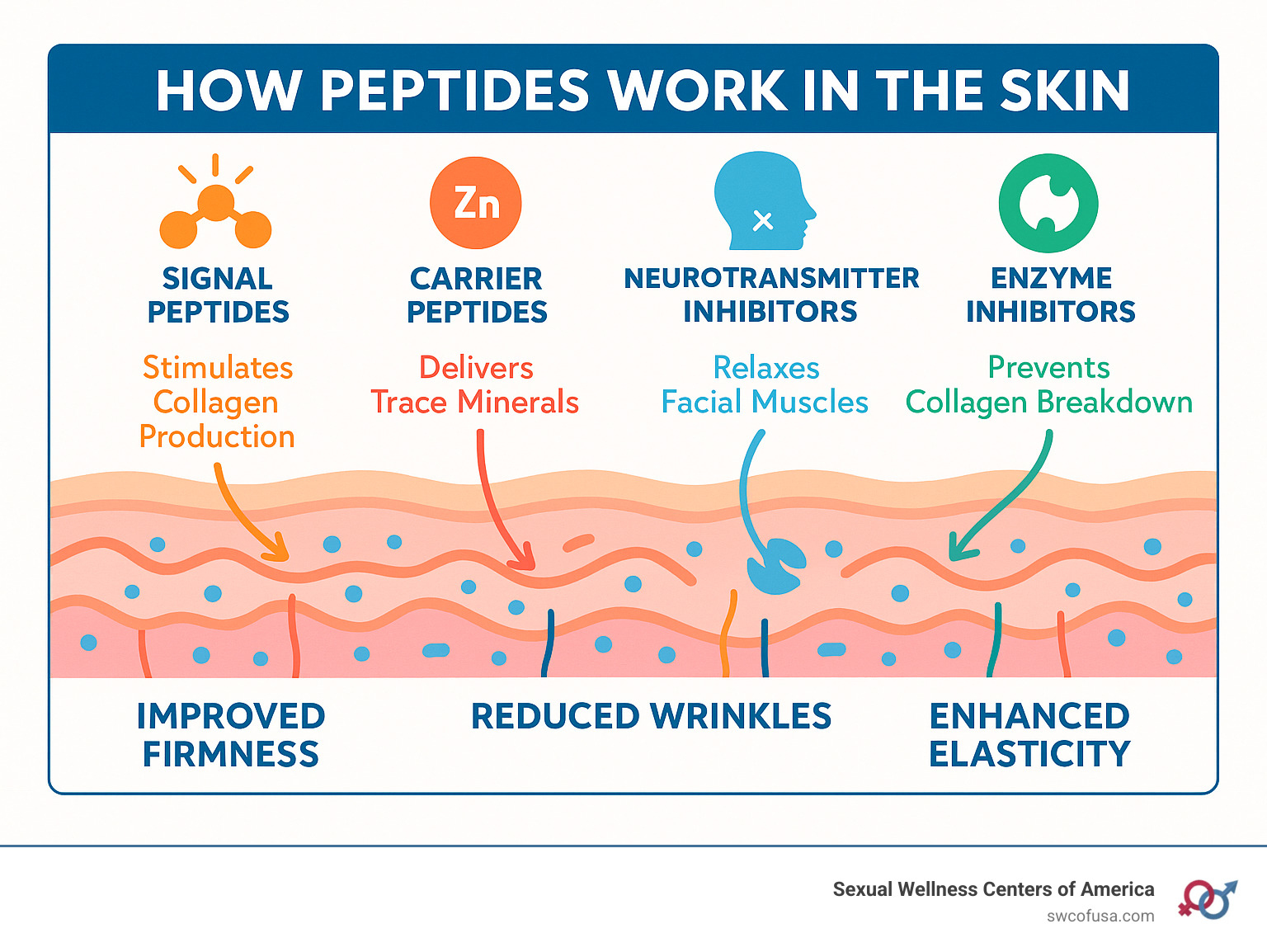
Entry closed✓ Balanced